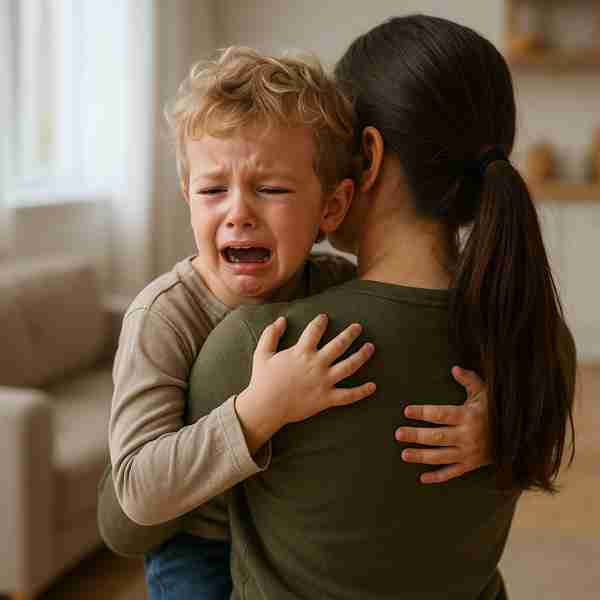
Separation anxiety is a frequent emotional response that occurs when a person experiences fear after being away from someone they’re emotionally attached to.
With the right strategies, separation anxiety can be reduced with care and patience.
Understanding Separation Anxiety
It often appears in childhood but can also occur in adults due to past trauma.
Symptoms you might notice:
- Outbursts when left alone
- Reluctance to leave home
- Feeling sick due to worry
Causes of Separation Anxiety
Knowing the root can help in finding the right treatment.
Contributing factors can be:
- Major life changes
- click here Losing a parent or pet
- Overprotective parenting
- Mental health disorders
Spotting the Signs
Recognizing it early is especially important in school settings.
Be mindful of:
- Frequent crying when someone leaves
- Worrying excessively about loved ones’ safety
- Nightmares about separation
Managing Separation Anxiety in Children
Supporting children through separation anxiety requires clear communication and structure.
Techniques for easing child anxiety:
- Create a goodbye ritual
- Gradually increase time apart
- Let them play solo at home
- Build trust through transparency
Tips for Adults Facing It
It's important not to ignore the symptoms and seek help, self-awareness, or therapeutic tools.
Helpful actions to take:
- Talking to a mental health professional
- Practicing grounding exercises
- Reaching out to friends and family
- Reframing your mindset
When to Seek Professional Help
Professional guidance can make a significant difference.
Signs it’s time to talk to a specialist:
- Constant worry about loved ones
- Ongoing panic attacks
- Avoidance of essential tasks
Final Thoughts on Separation Anxiety
With help from loved ones or professionals, people of all ages can learn to feel more secure.
Don’t be afraid to start the process toward peace of mind.